KEY MECHANICAL TAKEAWAYS: AT A GLANCE.
100% Factory Service Manual Verification: Never rely on dealership sales talk or unverified forum threads. Every transfer case disengagement sequence must match verified OEM service bulletins.
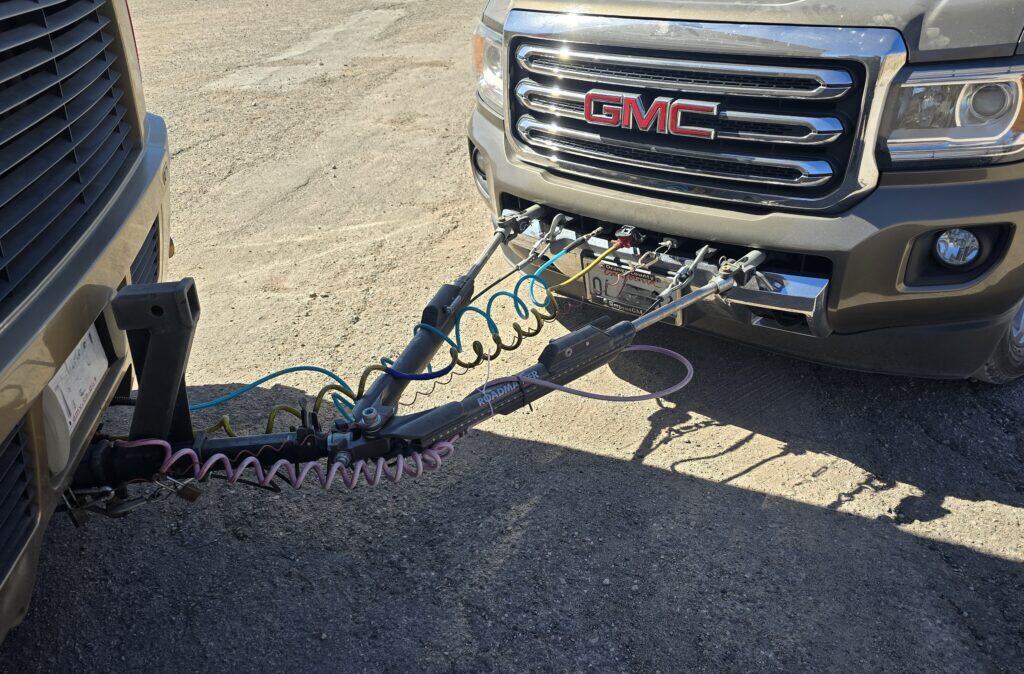
Mandatory Proportional Braking Compliance: Supplemental breakaway braking systems are legally mandated across North America to synchronize stopping power, prevent coach brake overheating, and protect against highway breakaway disconnects.
GCWR & Class IV/V Hitch Protection: Always verify your vehicle's actual CAT scale curb weight against your motorhome's Gross Combined Weight Rating to maintain a 15% safety buffer.
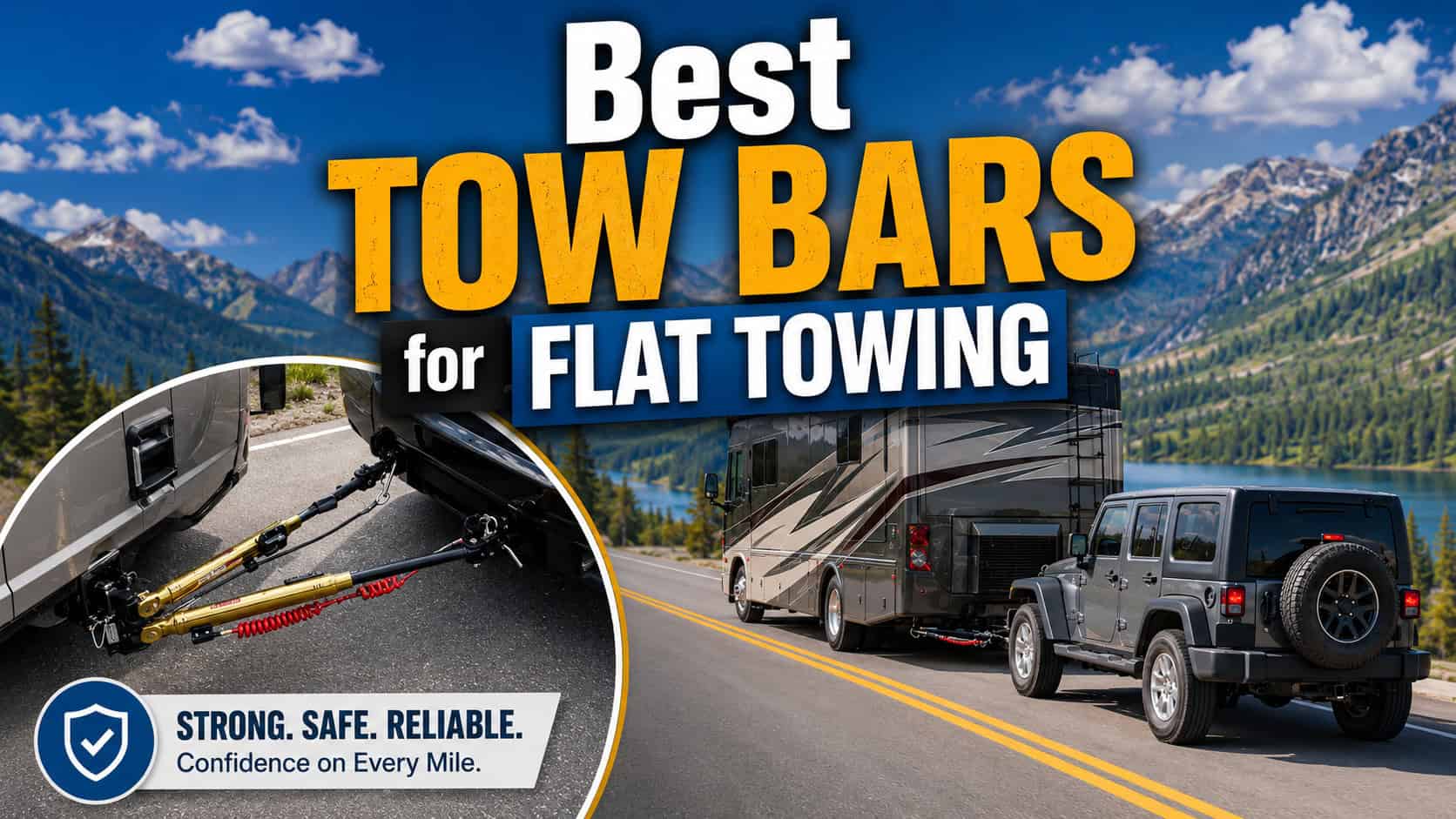
Certified Frame-Mounted Hardware: Ensure your tow bar, baseplate steel tabs, and safety cables share matching Class IV (5,000 lbs) or Class V (10,000 lbs) load ratings.
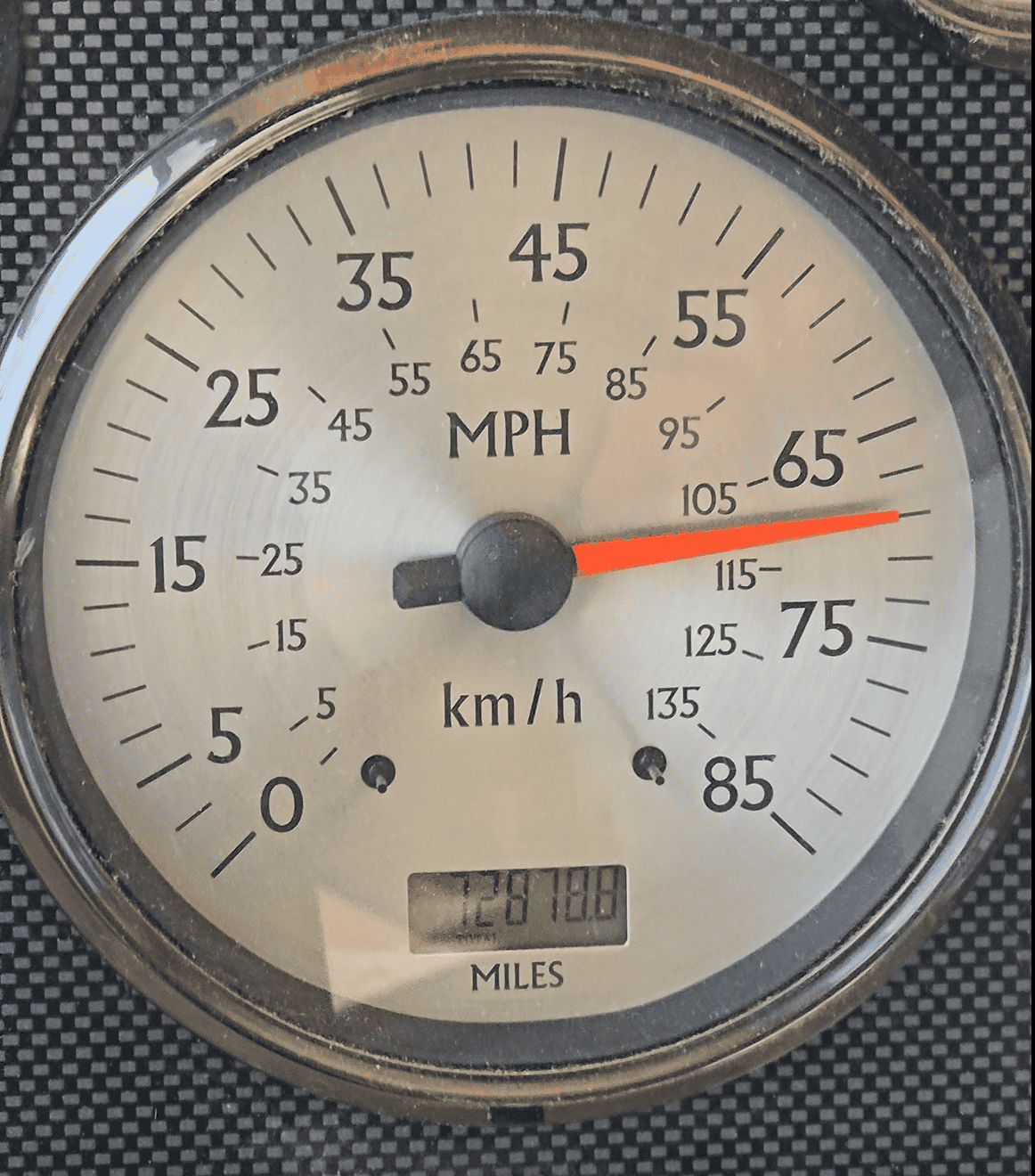
Is Your Odometer Reading a Hidden Cost of Flat Towing?
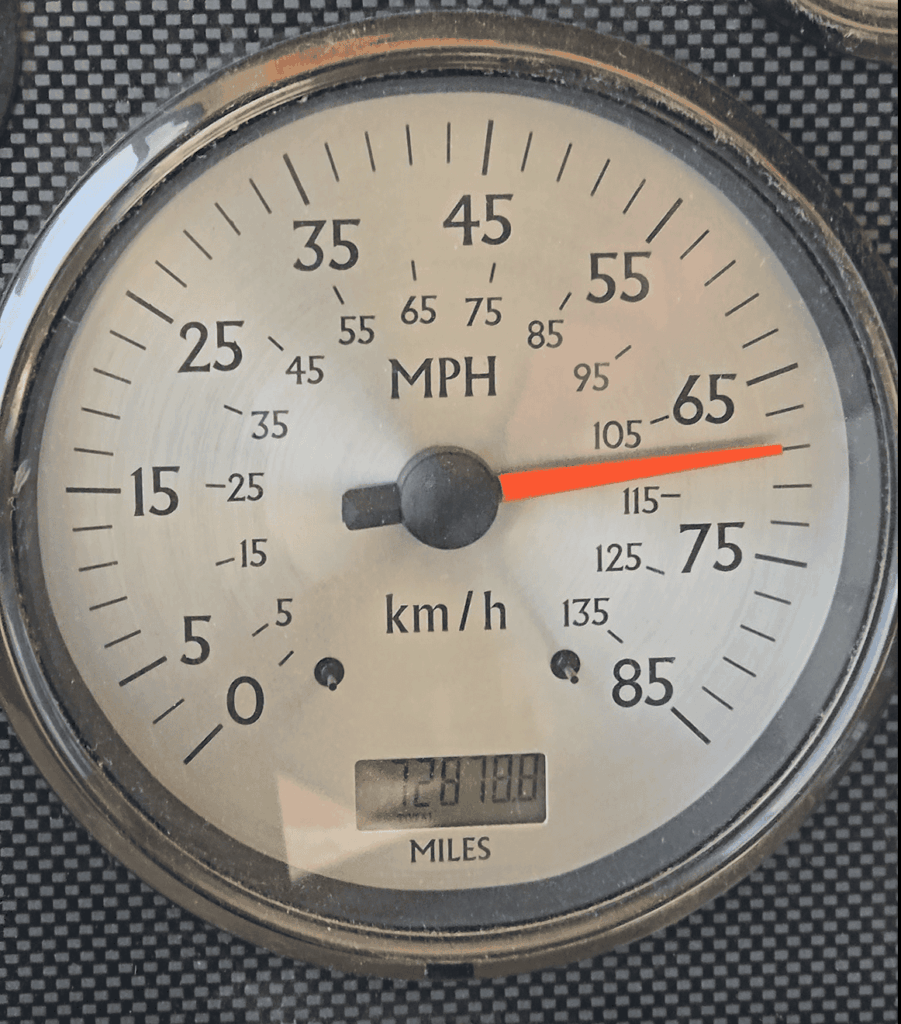
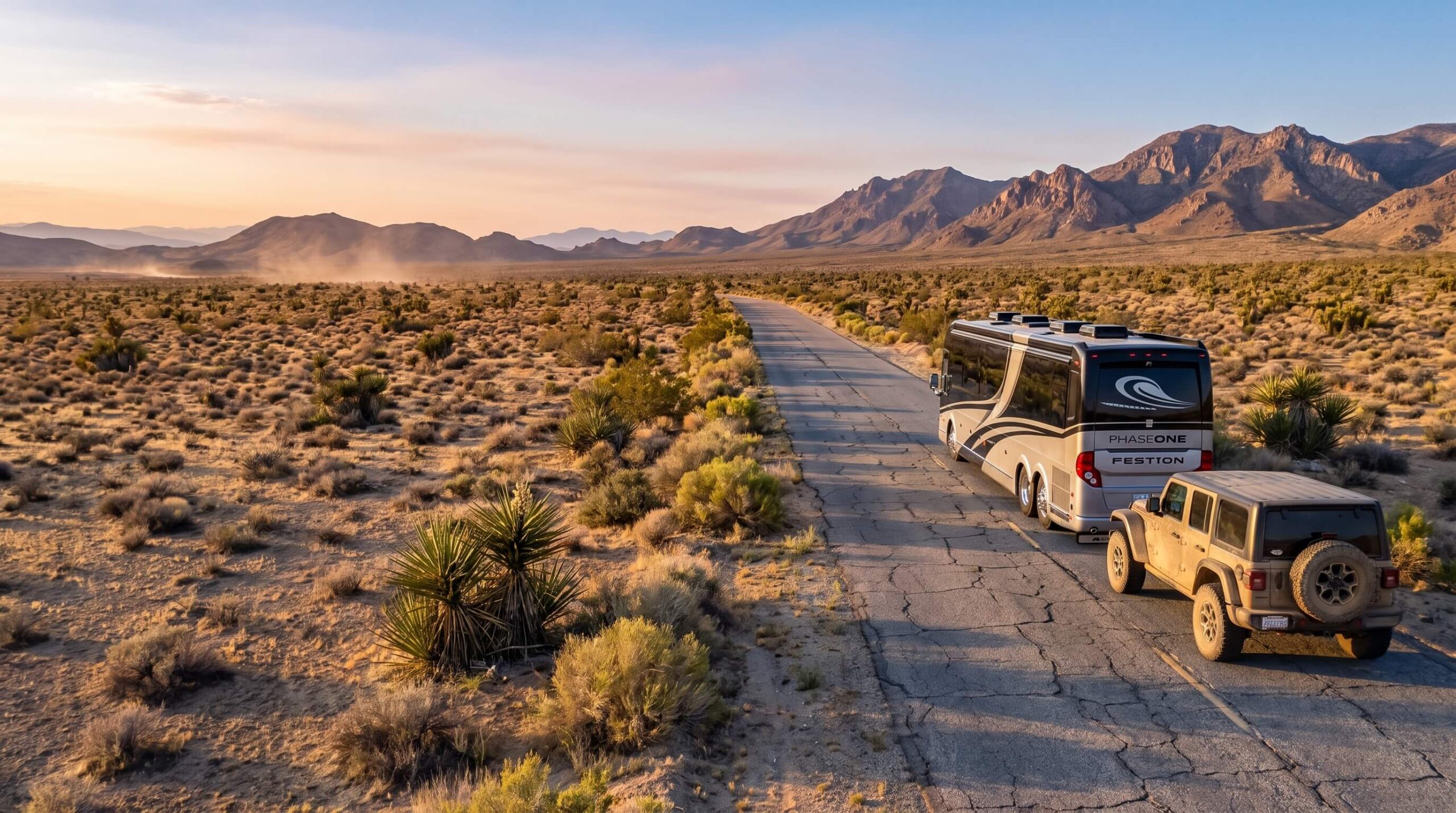
One of the most common anxieties for new RVers setting up a "Toad" (dinghy vehicle) is the fear of "ghost miles." You’ve just finished a 1,500-mile cross-country trek with your Jeep Wrangler behind the motorhome—did you just tank your vehicle's resale value by adding 1,500 miles to the dash?
The short answer is no. For the vast majority of modern vehicles manufactured in the last 20–25 years, flat towing does not add a single mile to your odometer. However, understanding why—and knowing the few exceptions—is vital for any RVer looking to protect their investment.
The Science of the "Digital Sleep"
In the "old days," odometers were mechanical. They used a physical cable connected to the transmission's output shaft. If the wheels turned, the gears turned, and the numbers rolled over. Whether the engine was running or not didn't matter; if the car was moving, the mileage was climbing.
Modern vehicles use Electronic Control Units (ECUs). The odometer isn't a gear; it’s a piece of data on a screen. For that data to change, the vehicle’s computer must be powered on and receiving a specific electronic pulse from the Vehicle Speed Sensor (VSS). When you flat tow according to the manufacturer's "Recreational Towing" instructions, the ignition is typically in the "Off" or "Accessory" position. Because the ECU is essentially "asleep," it isn't listening to the speed sensor, and the odometer stays frozen in time.
Why the "Ignition Position" is the Secret Key
For many flat-towable vehicles, the manufacturer’s manual will instruct you to put the transmission in park and the transfer case in "N." But the real magic happens at the ignition switch.
Most modern setups require the ignition to be in the "OFF" or "ACC" (Accessory) position. In these modes, the vehicle’s main computer—the ECU—is not fully powered. Since the computer isn't "awake" to receive signals from the speed sensors, it cannot update the digital odometer. This is why a Jeep Wrangler can be towed from Maine to California without adding a single mile to its clock.
The Exceptions: When the Miles Do Add Up
While rare, there are two scenarios where your odometer might still spin:
- Older Mechanical Systems: If you are towing a vintage "Toad" (pre-1990s) with a cable-driven speedometer, the mechanical gears will turn as long as the wheels are moving.
- Improper Ignition Settings: If your specific vehicle requires the key to be in the "ON" position to unlock the steering rack (and you haven't installed a battery disconnect), the ECU might stay active. If the computer is "awake" while the wheels are turning, it may record those miles. Always double-check your owner's manual under the "Recreational Towing" section to ensure you aren't accidentally powering the dash.
The "Hidden" Wear and Tear (What the Odometer Doesn't Show)
Even if the odometer stays frozen, it is a common mistake to think flat towing is "free" mileage. While the engine and transmission internals aren't working, several other components are still under stress:
- Tires: Your Toad’s tires are hitting every pothole and mile of asphalt that your RV is. They will wear down at the same rate as if you were driving.
- Suspension and Bearings: Your shocks, struts, and wheel bearings are all active.
- Braking Systems: If you use an auxiliary braking system (which is legally required in most states), your Toad’s brakes are being applied every time you slow the coach.
Pro Tip: Smart RVers keep a separate logbook for their "Towed Miles." If you tow your vehicle 5,000 miles a year, you should consider servicing your wheel bearings and rotating your tires sooner than the odometer suggests.
The Verdict for Resale Value
The good news is that for the purposes of resale value, only the odometer reading matters. When it comes time to list your vehicle on a marketplace like RVToad.com, you can confidently state the mileage shown on the dash. Because the engine wasn't running, there was no internal combustion wear, no carbon buildup, and no transmission heat—making a high-mileage "Toad" often a much better buy than a traditional high-mileage used car.
Looking for your next (or First) flat-towable vehicle? Check out our BUY A TOAD section to browse current listings!
Continue Your Towed Vehicle Research:
Explore these helpful RVToad resources to compare flat tow vehicles, understand towing requirements, and choose the right setup for your motorhome.
Search the Flat Tow Vehicle Database to compare vehicles by make, model, year, weight, transmission, drivetrain, and towing procedure.
Read the Ultimate Guide to Flat Towing for a step-by-step overview of towing a car behind a motorhome.
Explore our Top Flat Towable Vehicles guide for popular options RV owners often consider.
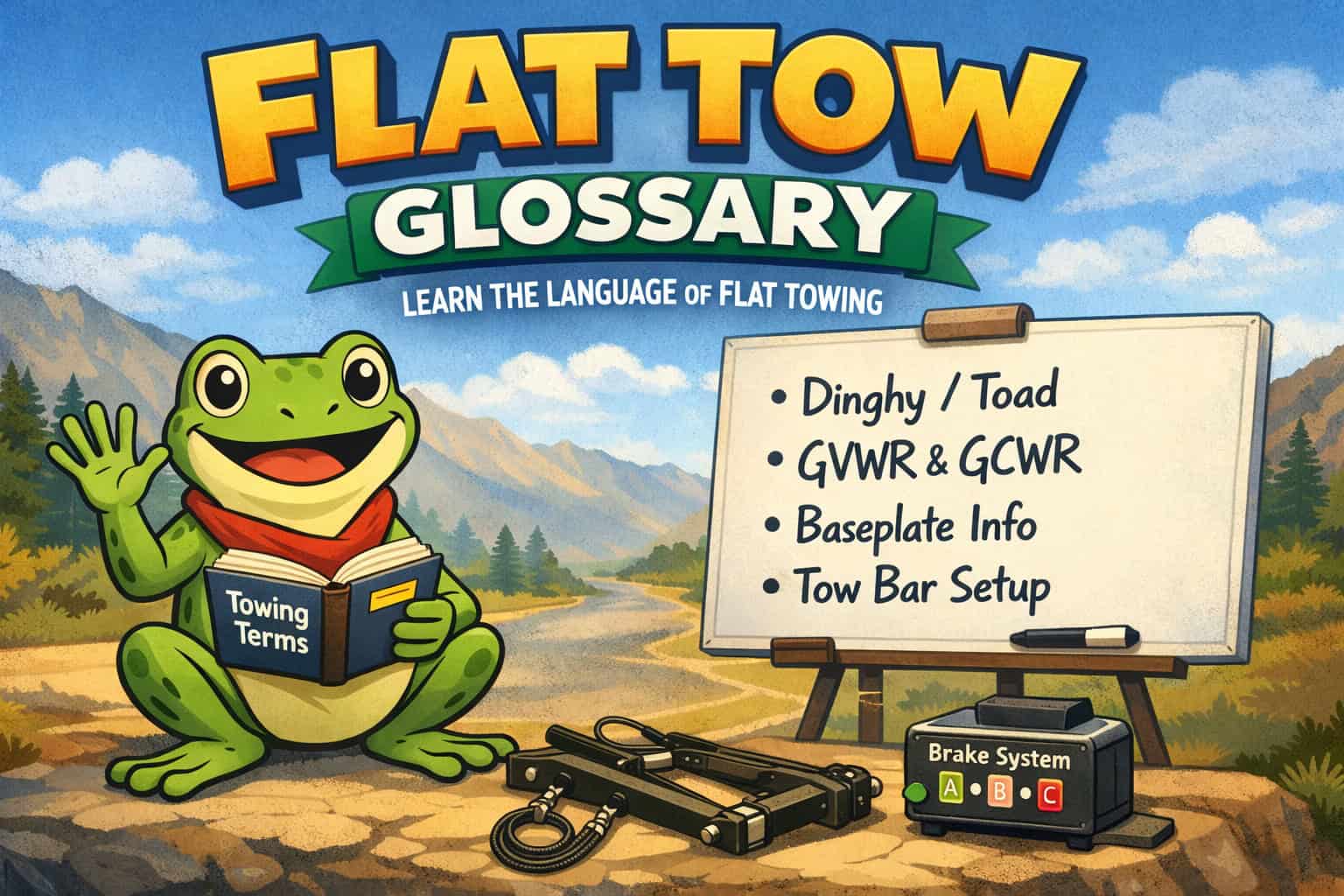
Learn the lingo in the RV Flat Towing Glossary.
List your flat tow vehicle if you have a tow-ready vehicle to sell.